John A

John A

The Environmental Benefits of Proof of Stake Blockchains
The Environmental Benefits of Proof of Stake Blockchains

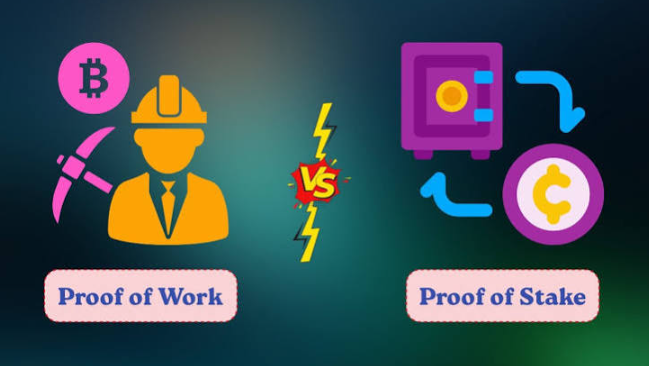
Proof-of-Stake blockchains promise lower energy use than proof-of-work systems, shifting security from mining to stake and validator participation. Early data show dramatic reductions in electricity demand, but real-world emissions hinge on validator behavior, uptime, and governance incentives. The trade-offs between…
The Difference Between Traditional Transfers and Crypto Payments

The Difference Between Traditional Transfers and Crypto Payments

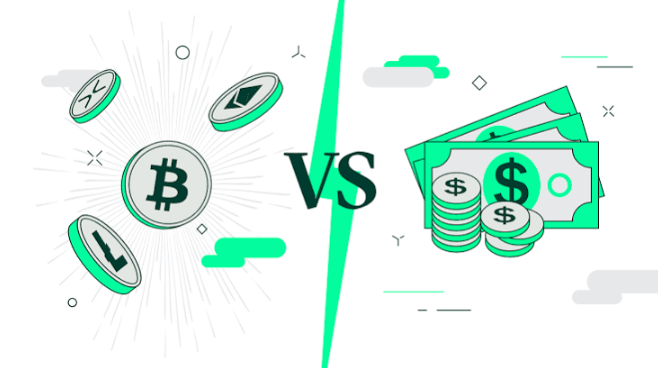
Traditional transfers rely on centralized rails, clear regulatory oversight, and intermediaries that ensure compliance and traceability. Crypto payments use decentralized networks and cryptographic verification, trading custodial risk for potential speed and cost benefits. The trade-off involves reliability and control versus…

How Artificial Intelligence Is Used to Protect Wildlife

How Artificial Intelligence Is Used to Protect Wildlife

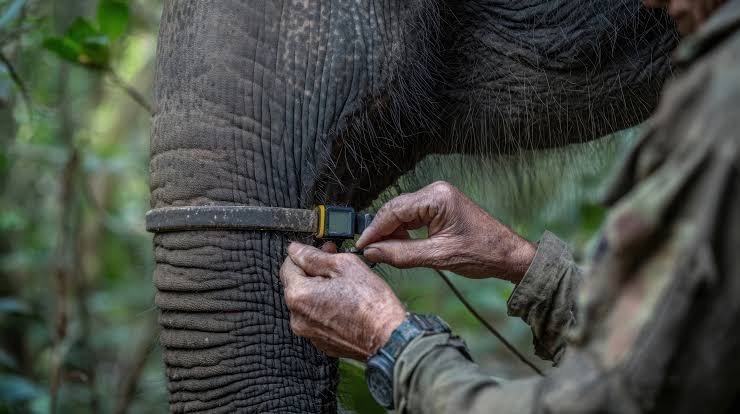
Artificial intelligence integrates diverse data streams—camera traps, acoustics, satellites, and field reports—to detect patterns and anomalies in wildlife systems. It enables rapid threat detection, habitat monitoring, and risk forecasting across large landscapes. Analytical methods quantify uncertainty, optimize interventions, and support…

How Artificial Intelligence Helps Optimize Energy Consumption

How Artificial Intelligence Helps Optimize Energy Consumption

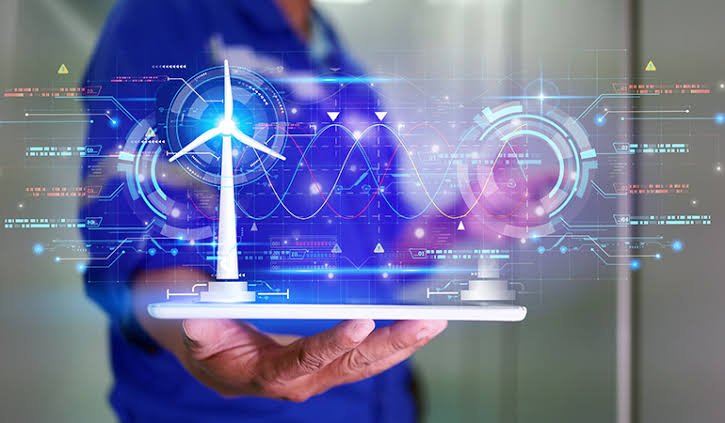
Artificial intelligence enables continuous data collection and analysis across generation, transmission, and end-use devices to forecast demand, identify inefficiencies, and automate control actions. It supports peak shaving, flexible demand, and smarter scheduling while prioritizing privacy and security. AI-driven governance ensures…