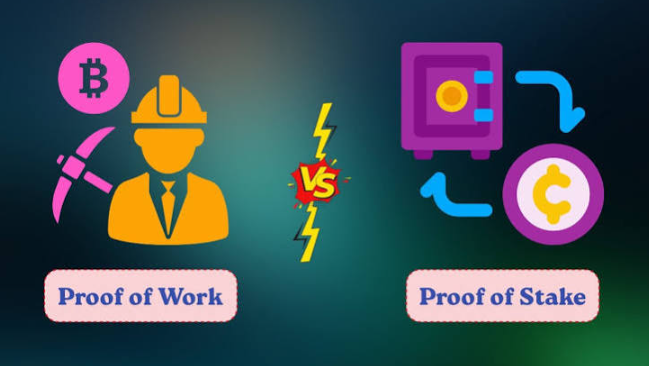

Proof-of-Stake blockchains promise lower energy use than proof-of-work systems, shifting security from mining to stake and validator participation. Early data show dramatic reductions in electricity demand, but real-world emissions hinge on validator behavior, uptime, and governance incentives. The trade-offs between security, decentralization, and efficiency require careful policy design and transparent metrics. Whether these systems sustain long-term environmental gains depends on accountable benchmarking and the adaptability of governance mechanisms, leaving practitioners with unresolved questions to justify further investment.
Why PoS Could Cut Crypto’s Environmental Footprint
Proof-of-Stake (PoS) systems promise substantial reductions in energy consumption by design, shifting from energy-intensive block production to validator-based consensus that relies on stake rather than computational power.
A data-driven assessment highlights energy efficiency gains and stability incentives, aligning policy goals with individual freedom.
Critics note deployment risks, but PoS offers measurable environmental benefits without compromising security or autonomy.
See also: How Artificial Intelligence Is Used to Protect Wildlife
How Staking Practices Drive Real-World Emissions
How staking practices translate into real-world emissions hinges on governance choices, validator load, and network uptime, with each factor shaping energy demand beyond nominal protocol efficiency. Data indicate staking incentives steer validator behavior, influencing load balance and uptime stability. Policy assessment shows energy optimization strategies reduce waste, yet emissions depend on jurisdictional grid mixes, regulatory alignment, and proactive demand-response adherence.
Security, Decentralization, and Sustainability: What Trade-Offs Matter
The interplay among security guarantees, decentralization potential, and sustainability outcomes in proof-of-stake systems raises questions about inevitable trade-offs and policy levers.
Empirical assessments compare attack-resistance, validator concentration, and barrier to entry with energy use reductions, noting residual centralization risks.
Debate centers on low resource mining benefits versus energy intensive consensus, shaping freedom-preserving, evidence-based governance and threshold-setting.
Practical Pathways for Greener Blockchains
A data-driven assessment identifies practical pathways for greener blockchains by prioritizing governance-driven design, measurable efficiency gains, and transparent trade-offs.
This analysis emphasizes eco governance structures and standardized energy metrics to enable accountability, while evaluating policy levers, incentive alignment, and interoperability.
It critiques assumptions, highlights data gaps, and proposes scalable, verifiable steps that balance innovation with prudent risk management for broader freedom.
Conclusion
Proof-of-Stake reduces energy use by design, but real-world emissions hinge on validator behavior and governance incentives. The data show substantial efficiency gains, yet sustainability depends on uptime, participation, and robust risk controls. Trade-offs—centralization risk, validator economics, and protocol governance—must be managed through transparent metrics, prudent incentive design, and targeted policy standards. In this landscape, PoS is not a panacea but a policy-ready instrument for measurable, accountable climate alignment—like a lighthouse guiding careful, evidence-based industry reform.