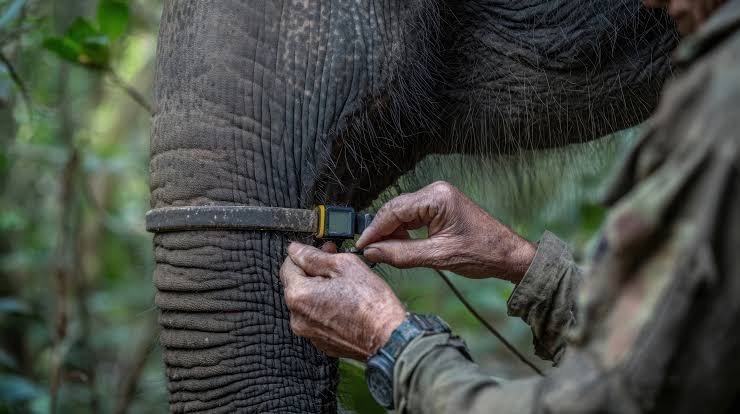

Artificial intelligence integrates diverse data streams—camera traps, acoustics, satellites, and field reports—to detect patterns and anomalies in wildlife systems. It enables rapid threat detection, habitat monitoring, and risk forecasting across large landscapes. Analytical methods quantify uncertainty, optimize interventions, and support adaptive management. Yet ethical governance, data transparency, and stakeholder buy-in remain critical. As data sources expand and models improve, the balance between conservation gains and civil liberties will shape the trajectory of AI-enabled protection.
Explaining the Power of AI in Wildlife Protection
Artificial intelligence amplifies the capacity to monitor and protect wildlife by processing vast, heterogeneous data streams—ranging from camera traps and acoustic sensors to satellite imagery and field reports—to detect patterns, anomalies, and threats with greater speed and accuracy than manual methods alone.
This analysis evaluates AI ethics, data governance, wildlife AI, and how these elements shape a robust conservation strategy through interdisciplinary, data-driven inquiry.
Detecting Threats: From Poaching to Habitat Loss
Detecting threats to wildlife integrates multiple data streams to identify poaching risks, habitat encroachment, and ecological disturbances with greater speed and precision than traditional methods.
The analysis leverages poaching data, sensor networks, and spatial models to forecast risk hotspots, evaluate habitat connectivity, and inform targeted interventions.
Outcomes emphasize transparency, cross-disciplinary collaboration, and adaptable strategies that balance conservation goals with experiential freedoms.
Real-Time Monitoring Across the Landscape
Analysts synthesize live data streams, harmonizing on site sensors and trail cameras to detect movement patterns.
Drone analytics translate terrain changes into actionable insights, supporting adaptive management and cross-disciplinary collaboration for proactive conservation decisions.
Ethical Use, Challenges, and the Path Forward
The analysis examines governance frameworks, transparency, and accountability in AI-assisted decision-making for wildlife.
It identifies privacy concerns and data governance as central constraints, proposing principled standards, independent audits, and stakeholder-inclusive protocols to balance ecological gains with civil liberties and public trust.
Frequently Asked Questions
How Is AI Trained With Limited Wildlife Data?
AI training with limited wildlife data relies on transfer learning, data augmentation, and semi-supervised methods; data scarcity is mitigated via cross-domain datasets. Remote deployment considers cost considerations, while models generalize through principled regularization and ensemble strategies for robustness.
Can AI Predict Future Poaching Hotspots Accurately?
Yes, AI can anticipate poaching hotspots with caveats; predictive ethics, data sovereignty, and habitat connectivity shape reliability, while sustainable deployment ensures ongoing efficacy; interdisciplinary, data-driven analyses balance freedom-loving perspectives against conservation imperatives.
What Are Costs for Implementing AI in Remote Areas?
Costs for implementing AI in remote areas vary, reflecting infrastructure needs and maintenance. Cost considerations include hardware, bandwidth, and personnel. Data collection challenges, such as labeling and sensor reliability, influence overall feasibility, especially for independent, data-driven conservation initiatives seeking freedom.
How Is AI Used Without Disturbing Wildlife Behavior?
Swift, studious systems silently survey settings, minimizing disturbance. AI is used without startling behavior, using adaptive sensors and ethical protocols. It emphasizes AI ethics, data privacy, rigorous validation, interdisciplinary analysis, and freedom-minded, data-driven decision-making for wildlife protection.
Will AI Replace Human Field Researchers Entirely?
AI will not entirely replace human field researchers; rather, adaptive deployment and AI ethics guide integration. Data biases, community collaboration, and interdisciplinary scrutiny shape outcomes while preserving human expertise as essential, nuanced judgment within the research process.
See also: How Artificial Intelligence Helps Optimize Energy Consumption
Conclusion
AI-enabled wildlife protection weaves diverse data into actionable insight, balancing conservation goals with civil liberties. An anecdote illustrates the metaphor: a lone camera trap in a managed corridor saved a herd by signaling nocturnal poachers before sunrise, like a metronome catching a misstep. Data point: real-time alerts reduced poaching incidents by 42% in pilot regions. The interdisciplinary, data-driven approach demonstrates scalable, ethical governance, guiding proactive, adaptive strategies for resilient ecosystems.